Program Snapshot
Team Benefits
Collaboration, Communication, Empathy, Leadership, Corporate Social Responsibility
Team size
5–500 participants
Duration
3 hours (flexible)
The Goal
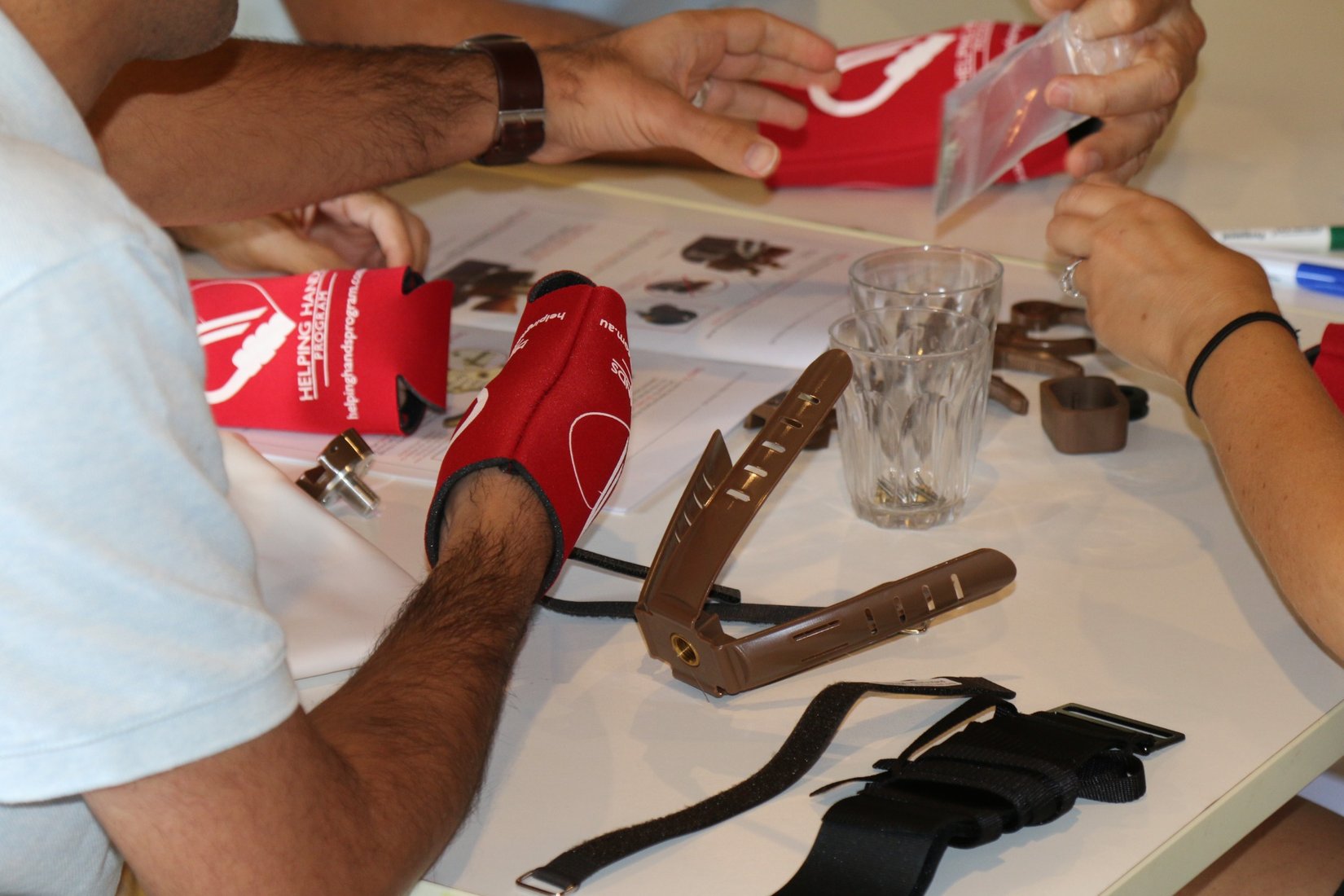
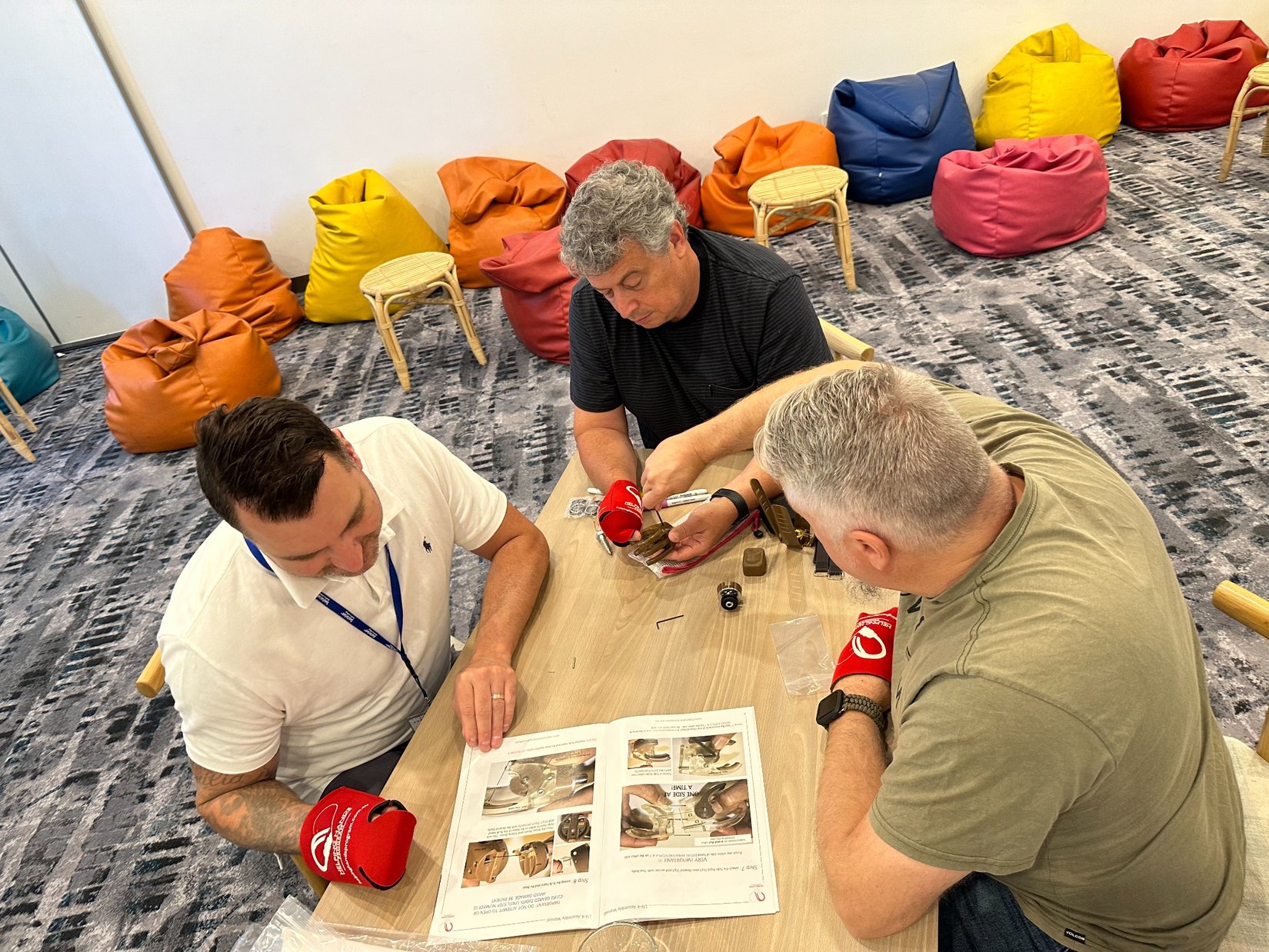
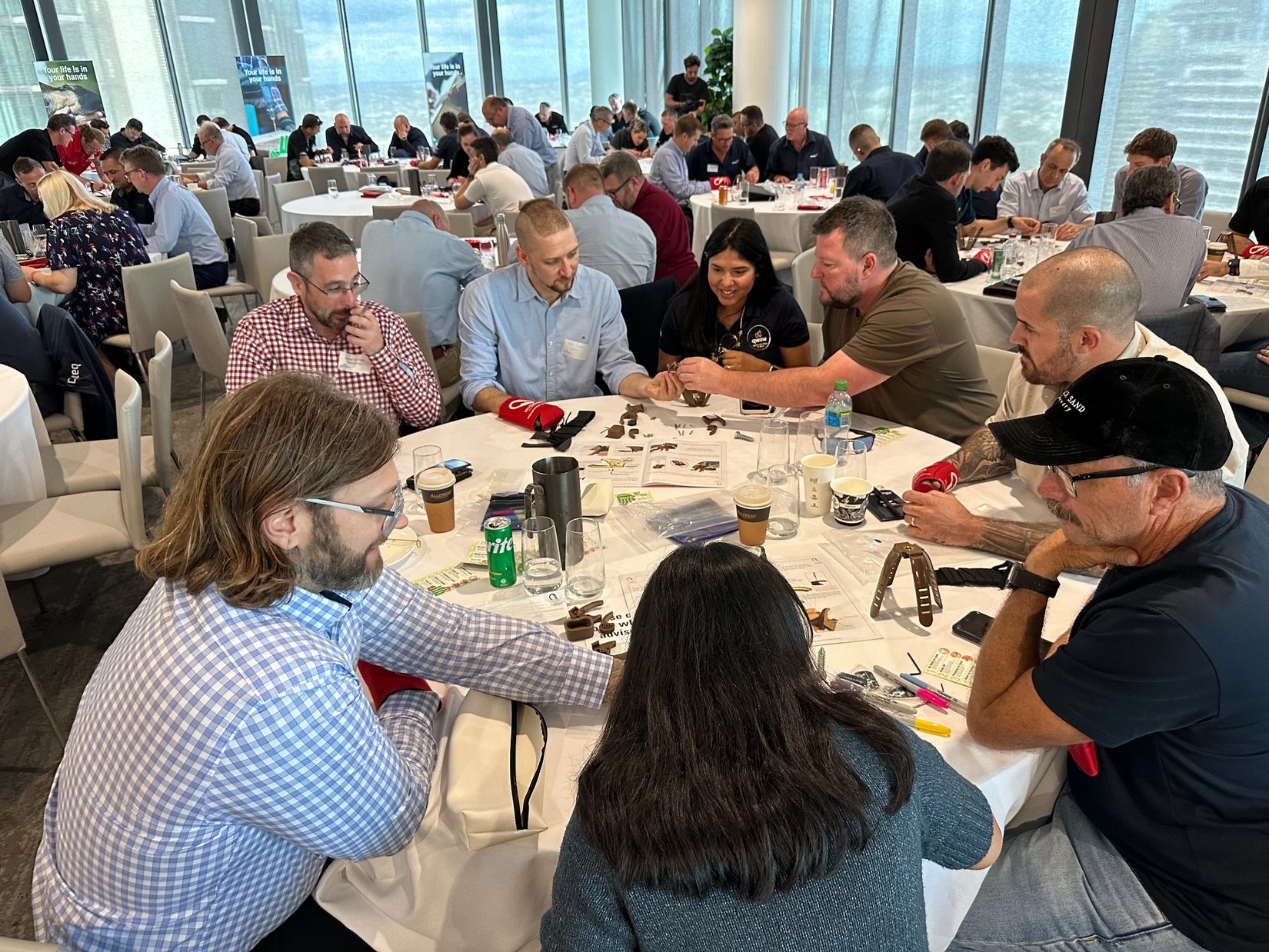
Work together through a series of playful challenges to earn the components needed to carefully assemble a prosthetic hand for someone in need.
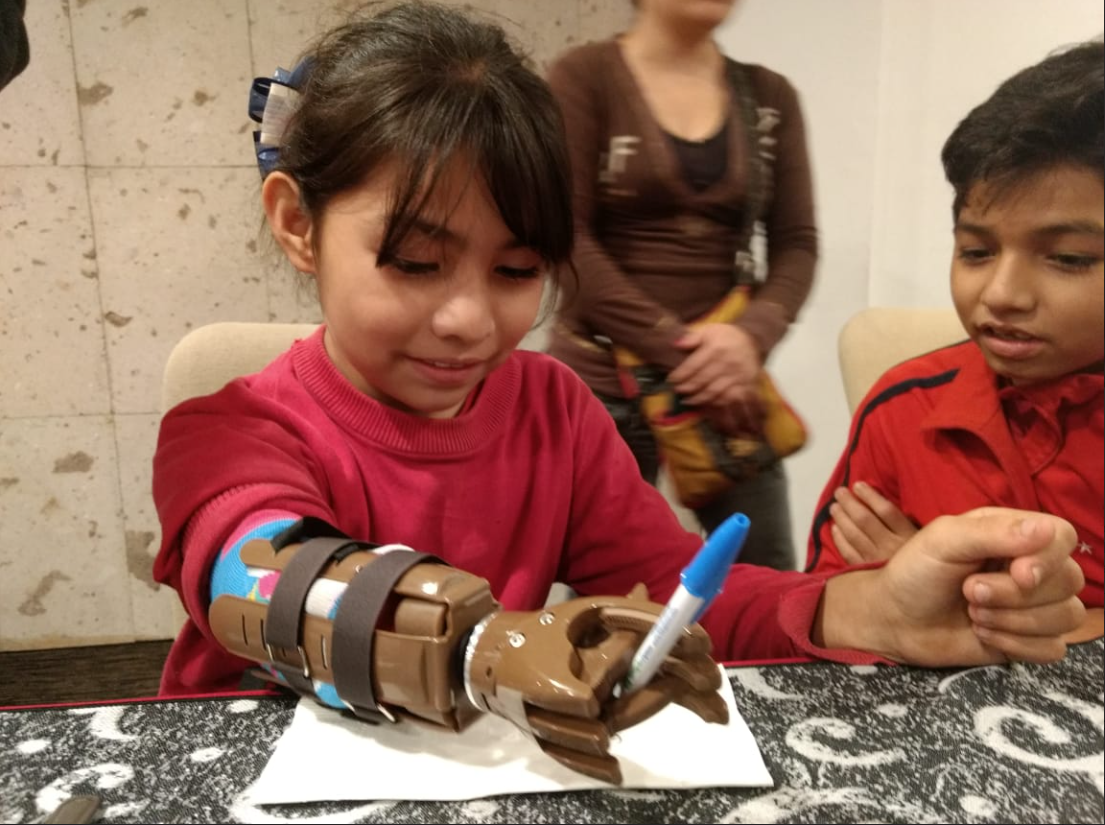
Images supplied for the Helping Hands program.
Where Your Team’s Hand Goes
The points stay in the room. The hand doesn’t.
Think about how often you use both hands throughout the day. Getting dressed, preparing a meal, opening a jar or holding a child’s hand. For someone living with limb loss, access to a prosthetic hand can make a meaningful difference to everyday independence.
Many recipients have lost their hands to landmines or accidents, while others were born without one. In developing countries, a prosthetic limb usually costs upwards of $3,000, putting it beyond the reach of many people who need one.
That’s where your team’s efforts make a real difference.
Every hand built through Helping Hands is donated free of charge. The LN4 Foundation distributes these hands to children and adults in need, regardless of their circumstances. Hands have now been donated in 99 countries, and the Helping Hands Program is working towards a goal of 30,000 hands by the end of 2030.
Every team that takes part helps bring that goal a little closer.
Serious Fun, Backed by Science
Helping Hands is a brilliant few hours, and the play is doing real work the whole time. After more than 30 years and thousands of teams, we’ve seen what changes when people play first: they tend to stop managing how they look and start paying attention to each other. Play is a fundamental human state. It’s where people get curious, explore and connect.
Play can lower the stakes. When a wrong move costs nothing, people tend to try things, speak up early and bounce back quickly when something doesn’t work. A one-handed build asks for exactly that. By the time the stakes are real, your team has already practised taking risks together.
There’s science underneath the laughter. Play can activate brain systems linked to dopamine, oxytocin, serotonin and endorphins, chemicals associated with motivation, mood and bonding. We call it your team’s first DOSE of Play. It helps explain why people who have played together can build connection and trust quickly, and why asking a colleague to hold something steady can feel natural rather than awkward.
Play is also both a state and a trait. The state is the buzz in the room, when people are absorbed in the task and lose track of the clock. The trait is playfulness, the everyday habit of meeting problems with curiosity. Time spent in the state of play can help build the trait, so a few hours together can be the start of something that lasts.
Frequently Asked Questions About Helping Hands
Do participants need any technical or building experience?
Not at all! Our experienced facilitators guide teams through the process, providing clear instructions and support along the way. The challenge is less about technical ability and more about communication, patience and working together to get the job done.
What if some of our team members aren’t confident with hands-on activities?
That’s absolutely fine. Helping Hands offers plenty of opportunities for people to contribute in different ways. From problem-solving and organising components to reading instructions, coordinating the build and adding creative touches, everyone can play to their strengths and be part of the final result.
Can Helping Hands be included in our conference or corporate event?
Absolutely. Helping Hands is a great fit for conferences, leadership retreats, team development days and corporate events with a charitable focus. The program typically runs for three hours and can be tailored to suit your agenda, venue and group size, from 5 to 500 participants.
Will we find out who receives the prosthetic hands?
Recipient photos and updates are occasionally shared following distribution. While we can’t guarantee individual recipient information, we’ll pass along updates when they’re made available through our charity partner.
How do we know the prosthetic hands are safe to use?
Every completed hand undergoes a quality check before being donated. The Helping Hands Program and its distribution partners oversee the process to ensure the hands meet the required standards before reaching recipients.
How much does Helping Hands cost?
Every event is a little different! Pricing depends on your group size, location and event requirements. Our team will prepare a tailored proposal outlining what’s included, so you can plan your experience with confidence.
Make It Last
The hand your team builds will make a difference beyond the event. The experience can too.
Helping Hands gives people a chance to discover how they communicate, collaborate and support one another when faced with something new. But why stop there?
Build on the experience with DOPE for Teams to explore different communication styles, a FISH! workshop to strengthen everyday team behaviours, or one of our Science of Play education sessions to discover how play supports connection, creativity and team success.
Because the real power of play isn’t just what happens on the day. It’s what your team takes back to work.