
-
30+ years
Experience working with teams and workplace culture.
-
Accredited
Programs including FISH!, Belbin and Science of Play.
-
Expert
Facilitators bringing learning to life through hands-on participation.
-
Tailored
Workshops shaped around your goals through our Trusted Play Process.
The expertise behind our workshops
From the globally recognised FISH! Philosophy and Belbin Team Roles to the National Institute for Play’s research, our workshops connect your people with established expertise.
Team Workshops
Give your people the opportunity to learn together, question familiar ways of working and put new ideas into practice. Our workshops bring established approaches to team development to life, with expert guidance to shape the learning around your goals.
Science of Play
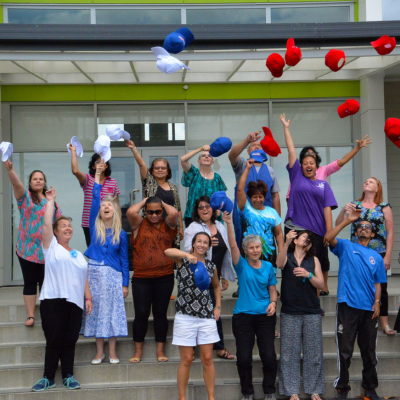
Discover the science behind play and why it belongs in everyday working life. Delivered through our exclusive partnership with the National Institute for Play, this session explores how play supports learning, connection and adaptability, and what happens when it is missing. Participants gain practical tools and shared language to make a credible case for play within their organisation.
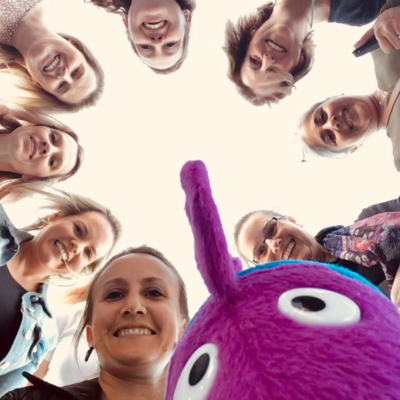
Fish!
Bring the FISH! Philosophy into your workplace through four practical habits: Be There, Make Their Day, Choose Your Attitude and Play. A pre-workshop culture survey helps shape the session, while activities and discussion connect each practice to your team’s daily work. Participants use the FISH! workbook to develop a personalised action plan, turning the learning into practical next steps.
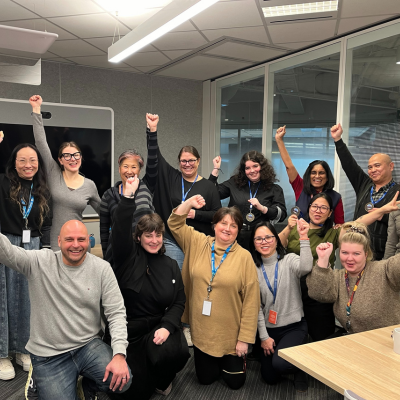
Play Principles
Explore how everyday habits shape workplace culture through the four PLAY Principles. Guided reflection, energising play and peer discussion help your team put play into daily routines, use language that builds connection, take ownership and make room for recovery. This practical half-day workshop gives people approaches they can apply to how they communicate, collaborate and support each other at work.
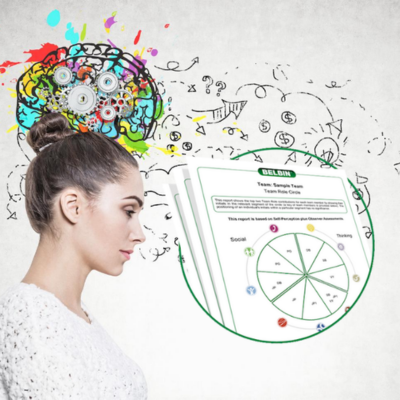
Belbin Team Roles
Understand how your people contribute to a team through Belbin’s nine Team Roles. Participants receive individual Belbin reports and explore their behavioural strengths through interactive activities and guided discussion. Team mapping helps colleagues understand how their contributions fit together, while a personal and team development plan turns those insights into practical approaches to communication and collaboration.
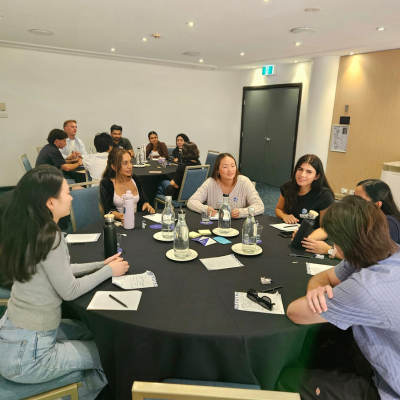
FUMISH
Understand what a positive workplace culture looks like through the FUMISH model: Friendly, Understanding, Motivating, Inspiring, Supportive and Happy. Your team examines its current culture and explores how education, engagement and environment influence everyday working life. Facilitated discussion leads to a practical action plan, giving your people a shared direction and clear steps for developing the workplace culture they want.
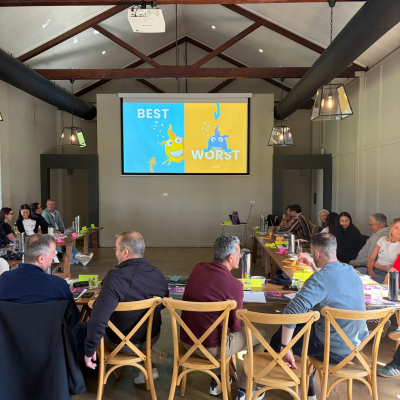
Positive Teams Masterclass
Support your team’s development across twelve months with a combination of workshops and team building experiences. The Positive Teams Masterclass includes two workshops, a charity program, a recreational program and two virtual sessions. Your dedicated consultant helps establish measurable goals and select the programs, creating an ongoing development journey that reinforces learning, connection and positive workplace culture throughout the year.
FAQs
Your Questions Answered
Find out what to expect from a CCE workshop, how we tailor the learning to your team and how play brings it to life.
The Culture Playbook
Discover what helps your team feel engaged, creative and connected. This free reflection tool guides leaders and teams from individual insights to shared habits they can practise at work.
Explore our team building workshops
From understanding team strengths to developing workplace culture, explore the learning focus of different workshops and how it relates to everyday work.
How are team building workshops different from team building activities?
A workshop gives your team a structured opportunity to learn about a particular subject, such as behavioural strengths or workplace culture. Activities, discussion and reflection help people understand the concepts and apply them. Activity-led team building centres on a shared challenge, with teamwork practised through the experience. We can also combine the two within one team day.
Why does Corporate Challenge Events use play in learning and development?
Play can change how people approach learning. Curiosity draws them in, experimentation gives them room to explore, and shared discovery opens up new perspectives. We design for those conditions, then guide reflection so the experience connects to the workshop’s subject. Our approach draws on decades of facilitation experience and our partnership with the National Institute for Play.
What makes your team building workshops fun and engaging?
Your people actively contribute to the learning. They explore ideas through hands-on experiences, exchange perspectives and discover things about themselves and their colleagues. Our facilitators use purposeful play to spark curiosity and participation, keeping the session focused on its educational goals while making it enjoyable to take part.
What if some people are hesitant about play at work?
Play looks different for different people. Someone may enjoy lively interaction, while another becomes absorbed in exploring an idea or solving a problem. We discuss your group’s preferences and participation needs during planning. Our facilitators create different opportunities to contribute, helping people engage without making enthusiasm, competition or being the loudest person a requirement.
How do you help us find the right workshop?
Tell us what is happening in your team and what you hope the learning will support. That might be understanding different contributions, developing culture habits or building leaders’ understanding of play. Through our Trusted Play Process, we explore your goals and practical requirements, then recommend a workshop. You can come to us with the question you want to explore.
Can a workshop reflect our organisation’s goals and values?
Yes. Your workplace context helps us make the learning relevant. We can connect discussion and application to your values, team priorities and situations your people recognise. The established program provides the learning foundation; your team’s experience gives it meaning. We agree on the focus during planning so the facilitator understands what you want to achieve.
How long do workshops run, and where can they be delivered?
The format depends on the learning. Science of Play is a 45–60-minute session, while FISH! typically runs for three to four hours. FUMISH can run as a four-hour session or across four weekly sessions. Many workshops suit offices and conference venues, with virtual delivery available for selected programs. We’ll recommend suitable timing and delivery arrangements.
What preparation and resources are involved?
Preparation varies by workshop. FISH! uses an anonymous culture survey to help inform the session, followed by a workbook and personalised action planning. Belbin involves completing individual profiling before exploring the reports together. We explain the preparation, resources and agreed inclusions in your proposal, so organisers and participants know what to expect.
How can we keep using the learning after the workshop?
Give the learning a place in work your team already does. A FISH! practice might become part of a team check-in, while Belbin insights might inform how you allocate contributions to a project. Our workshops connect ideas with practical application. Afterwards, leaders can reinforce the shared language, revisit agreed actions and discuss what is changing.
How much does a team building workshop cost?
We quote for the recommended program, group size, delivery location and requirements, including any agreed assessments or resources. Share your budget and development goals when you enquire. Your proposal explains the learning focus, format and inclusions, giving you a clear basis for discussing the investment with your leadership team.