
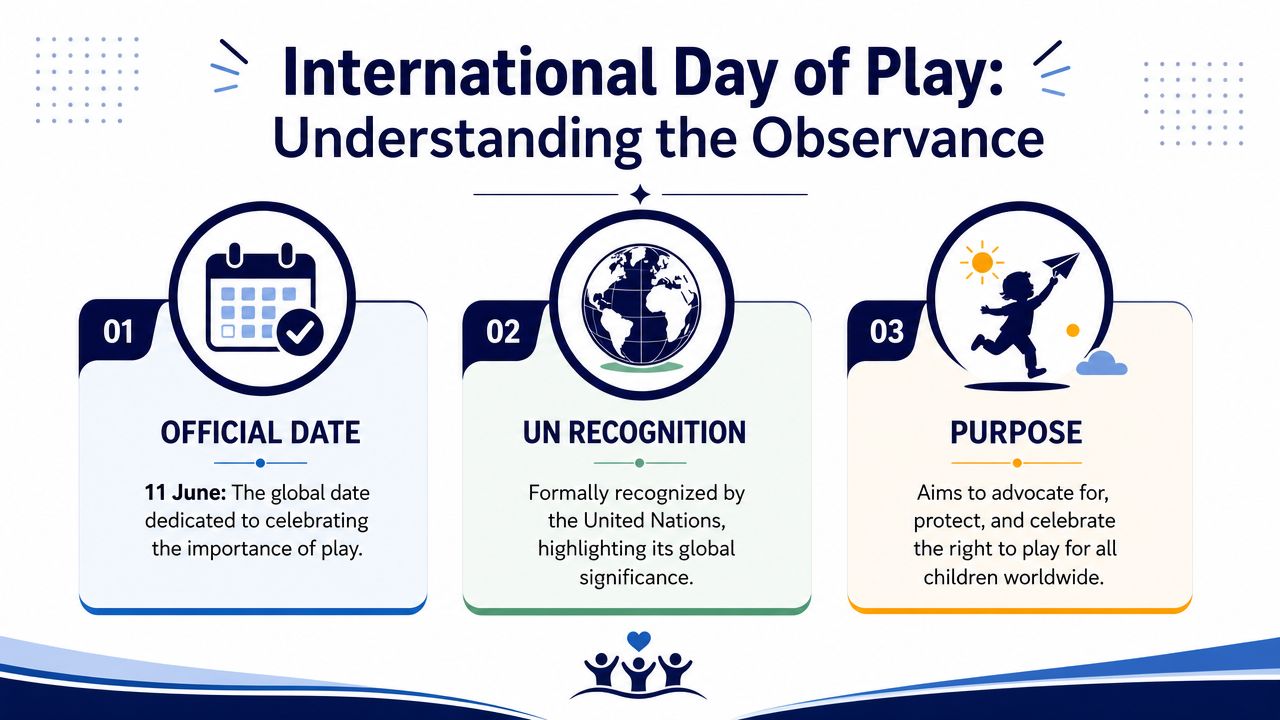
Today is International Day of Play, a global observance held on 11 June to recognise every child’s right to play.
This year’s theme, “Protect Play, Protect Childhood,” is a reminder that play is not separate from a healthy childhood. It is part of how children learn, move, communicate, build confidence and make sense of the world.
It is also a reminder that play is not equally protected for every child. According to the United Nations, an estimated 160 million children around the world are working instead of playing or learning.
That is why International Day of Play is so important to us.
At Corporate Challenge Events, play is not a campaign theme or a once-a-year message. It is the foundation of who we are, how we work and what we believe people need to thrive.
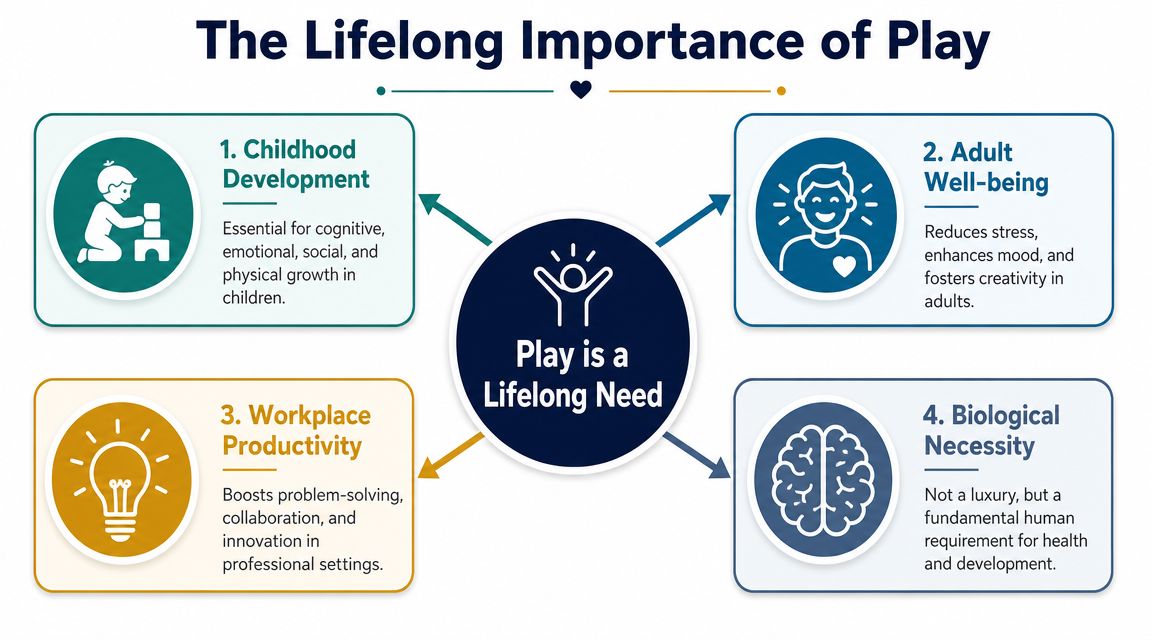
For children, play is a way to learn, connect and grow. For adults, the need does not disappear. We may start using different words for it, such as collaboration, culture, innovation, wellbeing or connection, but the human need behind it is still the same.
Play is a public health necessity. It helps create the conditions for people to feel safe, connected and capable across the lifespan.
International Day of Play asks us to protect childhood by protecting play. For us, it also asks a bigger question: what happens when play is treated as optional, childish or separate from serious life?
What is International Day of Play?
International Day of Play is a United Nations observance held each year on 11 June. It was created to recognise the essential role of play in children’s lives and to protect every child’s right to play.
The day is not only about celebrating play. It is about raising awareness of how central play is to children’s development, wellbeing and learning, and encouraging families, schools, communities, governments and businesses to make more space for it.
The 2026 theme is “Protect Play, Protect Childhood.” It reminds us that happy, healthy childhoods are built on play, and that protecting children’s time, space and freedom to play is a shared responsibility.
You can read more about International Day of Play on the United Nations website: https://www.un.org/en/observances/international-day-of-play
UNICEF also has helpful resources on the 2026 theme and why play is central to children’s development and wellbeing: https://www.unicef.org/parenting/day-of-play
Why protecting play means protecting childhood
Play is one of the first ways children learn about themselves, other people and the world around them.
Through play, children practise communication, movement, problem-solving, creativity and social connection. They learn how to take turns, test ideas, manage emotions, make decisions and build confidence.
That is why protecting play is not about adding something extra to childhood. It is about protecting one of the ways childhood happens.
When children lose access to play, they lose access to more than toys, games or free time. They lose space to explore, imagine, connect and develop at their own pace.
That access is not equal. Some children have limited safe spaces, time, resources, creative materials or supportive environments where play can happen freely.
International Day of Play brings attention to that gap. It asks families, communities, schools, organisations and governments to look at where play is being squeezed out, and what can be done to protect it.
How businesses can help protect play
International Day of Play is not asking businesses to solve childhood inequality on their own. It is asking every part of society to recognise that play needs protecting, and businesses are part of that system.
Workplaces have something powerful to offer: people, resources, partnerships and reach. When those are directed well, businesses can help create more access to the materials, spaces and experiences that allow children to play.
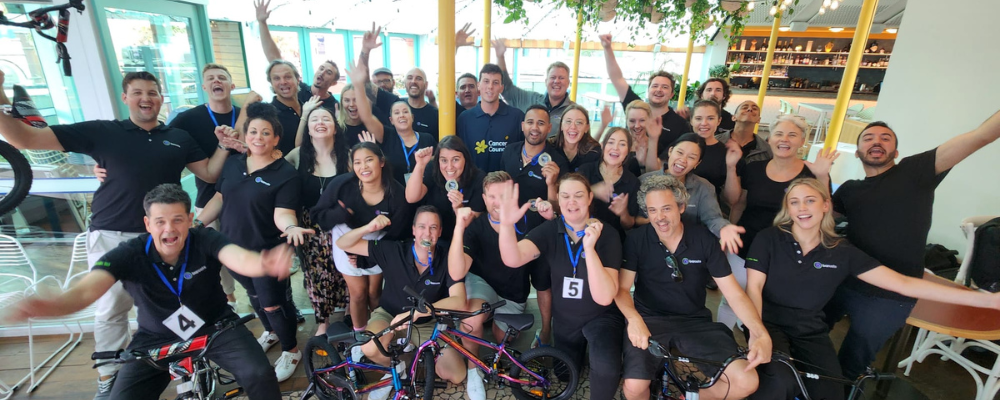
For some organisations, that might mean supporting a child-focused charity. For others, it may be funding play resources, backing a school or community program, volunteering time, donating equipment, or using an internal event to create something that benefits children beyond the workplace.
This is where charity team building can be a practical response to International Day of Play.
A program like Bikes for Tykes can turn a team experience into bikes that support movement, independence and outdoor play. Lego Legends can create opportunities for creativity, building and imagination. Toys for Tykes or Santa for a Day can help bring play, joy and care to children and families at a time of year when the gap can feel even wider.
The important point is not the activity itself. It is the transfer of play.
A team experiences play through problem-solving, collaboration and shared purpose. A child receives something that can help create their own moment of play. That connection is what makes the experience meaningful.
For businesses across Australia and New Zealand, the opportunity is to move beyond awareness and ask a better question:
How can we use our people, resources and choices to help more children access play?
Protecting play might look like one team building event. It might look like a long-term charity partnership. It might look like funding equipment, supporting a community organisation or choosing causes that give children more room to move, create, imagine and belong.
International Day of Play gives businesses a reason to pause, but the action does not need to end with the day. The real opportunity is to make play part of how organisations think about both culture and community impact.
Play is a necessity across the lifespan
International Day of Play focuses on childhood because childhood is where play is easiest to see.
A child builds, runs, pretends, negotiates, tests an idea, changes the rules and tries again. To an adult, it can look simple. Under the surface, a lot is happening.
Play activates deep brain circuits that sit below the cortex, in some of the oldest parts of the brain. That tells us play is not just a social habit or a reward for finishing the serious stuff. It is built into how humans develop.
When children play, they are not stepping away from learning. They are learning through movement, emotion, imagination and interaction. Their brains are practising how to adapt.
That need does not switch off when a person becomes an adult.
The form of play changes. The language changes too. In workplaces, we often call it collaboration, culture, innovation, trust or problem-solving. But those ideas still rely on the same human system.
People need to feel safe enough to contribute, flexible enough to try a different approach, and connected enough to work with others instead of just beside them. Play helps create those conditions.
When people enter a genuine play state, the brain can become less focused on threat and self-protection. The part of us that monitors mistakes and worries about getting it wrong can loosen its grip. That is why play can shift the energy in a room so quickly. People laugh. They make eye contact. They move. They try. They recover from small mistakes without turning them into a big deal.
Play also supports neuroplasticity, which is the brain’s ability to form and strengthen new connections. During play, the brain can release BDNF, a protein involved in learning, memory and long-term brain health. In plain terms, play helps the brain practise change.
That is the science behind our belief.
Play is not only valuable because it feels good. It is valuable because it helps humans stay open, adaptive and connected. For children, that is part of growing up. For adults, it is part of continuing to grow.
This is why we do not see play as childish. We see it as human.
Because play is not a break from development.
It is one of the ways development happens.
Protect play with purpose
International Day of Play is a reminder that play needs to be protected, not assumed.
For children, that means protecting the time, space, safety and resources they need to play. It means recognising that play is not separate from learning or development. It is part of how children experience childhood.
For adults, it means challenging the idea that play is something we should leave behind. The need changes shape, but it does not disappear. We still need connection, trust, movement, curiosity and space to try things without fear of getting it wrong.
For workplaces, the role is not to take over the conversation. It is to take it seriously.
Businesses can support play through the charities they back, the community programs they fund, the team experiences they choose and the culture they build inside their own organisation.
International Day of Play gives us one day to focus on the message. The real work is what we choose to do with it after today.
At Corporate Challenge Events, we believe play is one of the most powerful ways people learn, connect and grow. Protecting play means protecting that possibility for children, for teams and for communities.
If your organisation is looking for a practical way to connect your team while supporting children and families, explore our charity team building programs across Australia and New Zealand.