
Telling employees to make more time for play is poor advice when leaders control the calendar, the approval process and the consequences of trying something unfamiliar.
We tell people to be creative, think differently and embrace change. Yet many workplaces are built around schedules, processes and expectations that leave very little room for curiosity or experimentation.
There's an interesting contradiction here.
We want people who can adapt, solve problems and think beyond the obvious. But how often do we give them the freedom to explore something without knowing exactly where it will lead?
This is where the conversation about play deprivation becomes important.
Not because every workplace needs more games or afternoon activities, but because the science of play is challenging what we understand about how adults learn, connect and thrive.
And it raises an uncomfortable question for leaders.
Have we become so focused on making work efficient that we've unintentionally removed some of the conditions people need to do their best thinking?
What Is Play Deprivation, and Why Should Adults Care?
Play deprivation refers to having insufficient opportunities to engage in play.
For many adults, that probably sounds like an unusual concern. We associate play with childhood, weekends or activities we enjoy outside work.
But the science tells a more interesting story.
The National Institute for Play (NIFPlay), founded by Dr Stuart Brown, champions play as a public health necessity. Its work brings together decades of research into the role play has in human development, emotional wellbeing, learning and social connection.
One of the most important things to understand is that play doesn't have an age limit.
We don't suddenly lose our biological capacity or desire to play when we become adults. What changes is how we play, what we're comfortable expressing and whether our environment gives us opportunities to access it.
Consider what happens when someone becomes completely absorbed in solving a puzzle, creating something new, exploring an unfamiliar place or working through an interesting challenge.
They're curious. They're involved. They're enjoying the process, often without paying much attention to the passing time.
That can be play.
And it doesn't always look like laughter, competition or physical activity.
Play is also deeply personal. The same activity might be genuinely playful for one person and feel like an obligation to another.
Social expectations have a role here, too. An interesting exploration of why adults suppress their enthusiasm for playful experiences considers how the unwritten rules of adulthood can influence what we feel comfortable enjoying publicly.
Think about how this translates into work.
An employee might love exploring unusual ideas but hesitate to suggest one in a formal meeting. Another might enjoy experimenting with different approaches but worry that an unsuccessful attempt will be judged as wasted time.
The interest hasn't necessarily disappeared.
Perhaps the permission has.
The Science of Play Is More Significant Than We Think
NIFPlay's position that play is a public health necessity challenges the idea that play is simply an enjoyable extra.
Research across neuroscience, psychology and human development has explored the relationship between play and our capacity to learn, adapt, regulate emotions and form social connections.
And while much of the foundational research comes from developmental and animal studies, there is also growing research into adult playfulness.
A particularly interesting example comes from a 2021 study by René Proyer and colleagues, which examined whether adults could deliberately strengthen their playfulness.
The researchers worked with 533 participants who completed short activities over one week.
Some were asked to notice and record playful experiences. Others tried using playfulness in unfamiliar ways.
The findings showed that deliberate playfulness exercises could increase measures of playfulness, with some positive effects on wellbeing and depressive symptoms.
Think about the significance of that.
Playfulness isn't necessarily something we either possess or lack. Our experiences and the opportunities we create may influence how readily we access it.
There's also research specifically involving workplaces.
In a study of playfulness during workplace meetings, researchers Samuel West, Eva Hoff and Ingegerd Carlsson examined what happened when playful cues were introduced into meetings.
Their findings suggested improvements in the creative climate and playfulness of meetings without compromising productivity.
That doesn't mean every meeting needs an activity, or that play guarantees better business outcomes.
But it does challenge the assumption that productive work and playful thinking are incompatible.
Perhaps the question isn't whether there's room for play in a productive workplace. It's whether we've underestimated the contribution play can make to the way people think and work together.
What Happens When We Stop Playing?
This is where the science becomes particularly thought-provoking.
NIFPlay's work on the consequences of play deprivation draws on developmental research, animal studies and human life histories to explore what happens when opportunities for play are restricted.
The research raises concerns about the relationship between inadequate play and healthy social, emotional and behavioural development.
We need to be careful about applying childhood or animal findings directly to adult workplaces. Research hasn't established that employees experiencing burnout, low motivation or poor collaboration are necessarily suffering from play deprivation.
But it does give us good reason to examine how much room adults have for exploration, enjoyment, curiosity and self-directed activity.
Think about the last time your team approached a problem with genuine curiosity.
Not a meeting where everyone was expected to arrive with a solution.
Not a workshop where the outcome had already been decided.
A situation where people could explore possibilities, challenge assumptions, try something different and see where the conversation went.
How often does that happen?
Now consider how quickly those opportunities disappear when workloads increase, deadlines approach or the pressure to deliver becomes intense.
For many leaders, there may be a disconnect between the qualities they want from their people and the conditions they create for those qualities to emerge.
How Workplaces Unintentionally Design Play Out
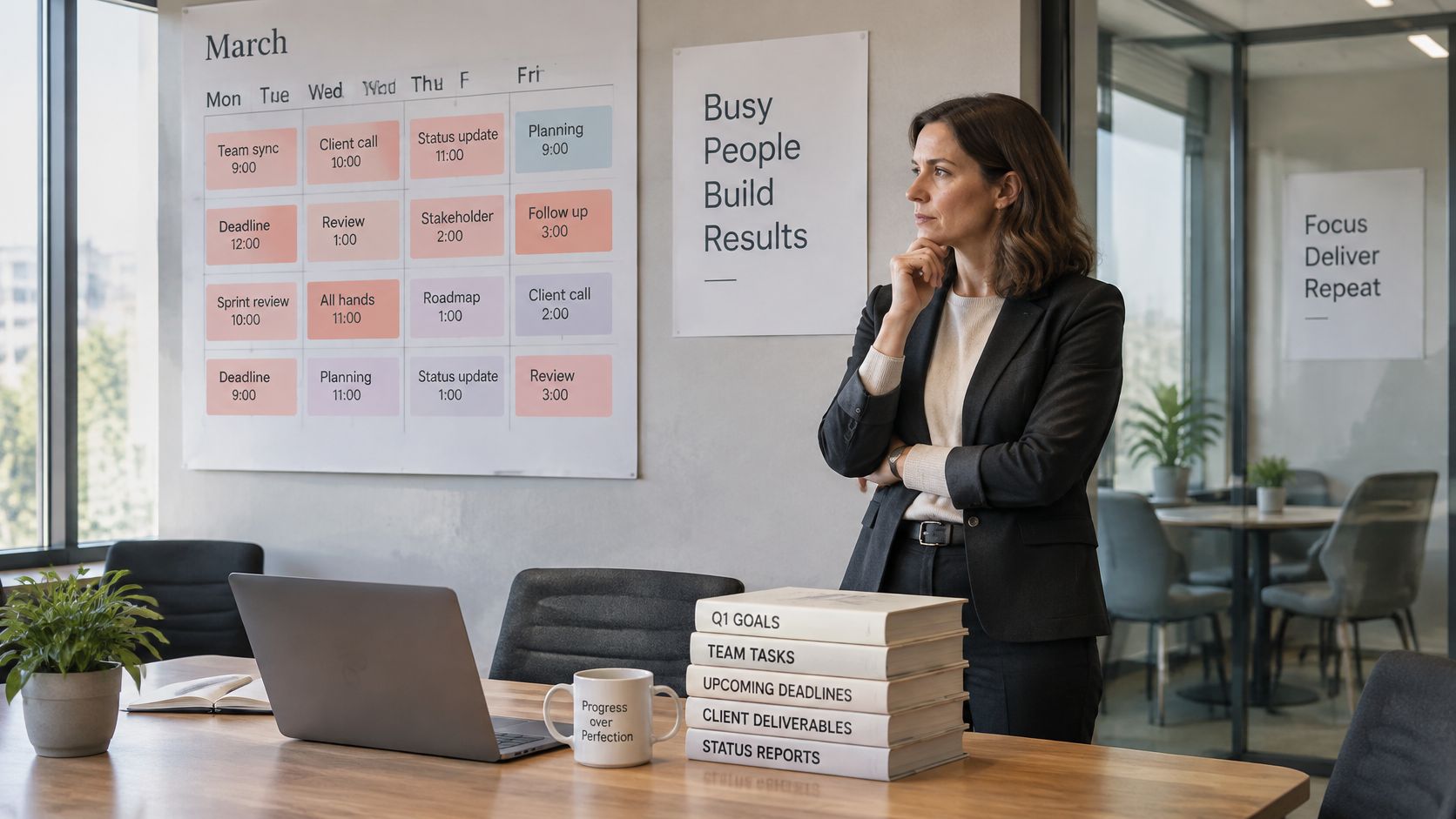
Most leaders would agree that curiosity, creativity and adaptability are qualities worth encouraging. Yet the structures designed to help organisations operate efficiently can sometimes work against them.
Consider a team working through a difficult client problem. Someone suggests an unconventional approach, but before they've finished explaining it, the conversation turns to budget, feasibility and reasons it might not work. The team may arrive at a perfectly sensible decision, although several possibilities were dismissed before anyone had the opportunity to explore them.
The issue isn't that leaders should abandon accountability. It's recognising when evaluation is useful and when it arrives too early.
Our physical working environments can reinforce these habits. The Australian Bureau of Statistics' research into physical activity and sedentary behaviour highlights how much of modern working life is spent sitting. While sedentary work isn't a measure of play deprivation, it's worth considering whether our spaces encourage interaction, movement and different ways of working.
Even conversations about making better use of office space could benefit from looking beyond occupancy rates. A space that isn't constantly booked might be exactly where colleagues have an informal conversation, work through an unexpected problem or explore an idea away from their usual routines.
Leadership behaviour matters just as much. When an employee suggests something unfamiliar, the response they receive influences whether they're likely to offer another idea. A workplace can promote innovation in its values while unintentionally discouraging it through the way uncertainty and mistakes are handled.
Of course, none of this means that every workplace activity needs to be playful. There are times when precision, routine and clear direction are essential. The opportunity is to recognise where greater freedom would be valuable and where our existing expectations might be unnecessarily restricting it.
Bringing Play Back Into the Workplace
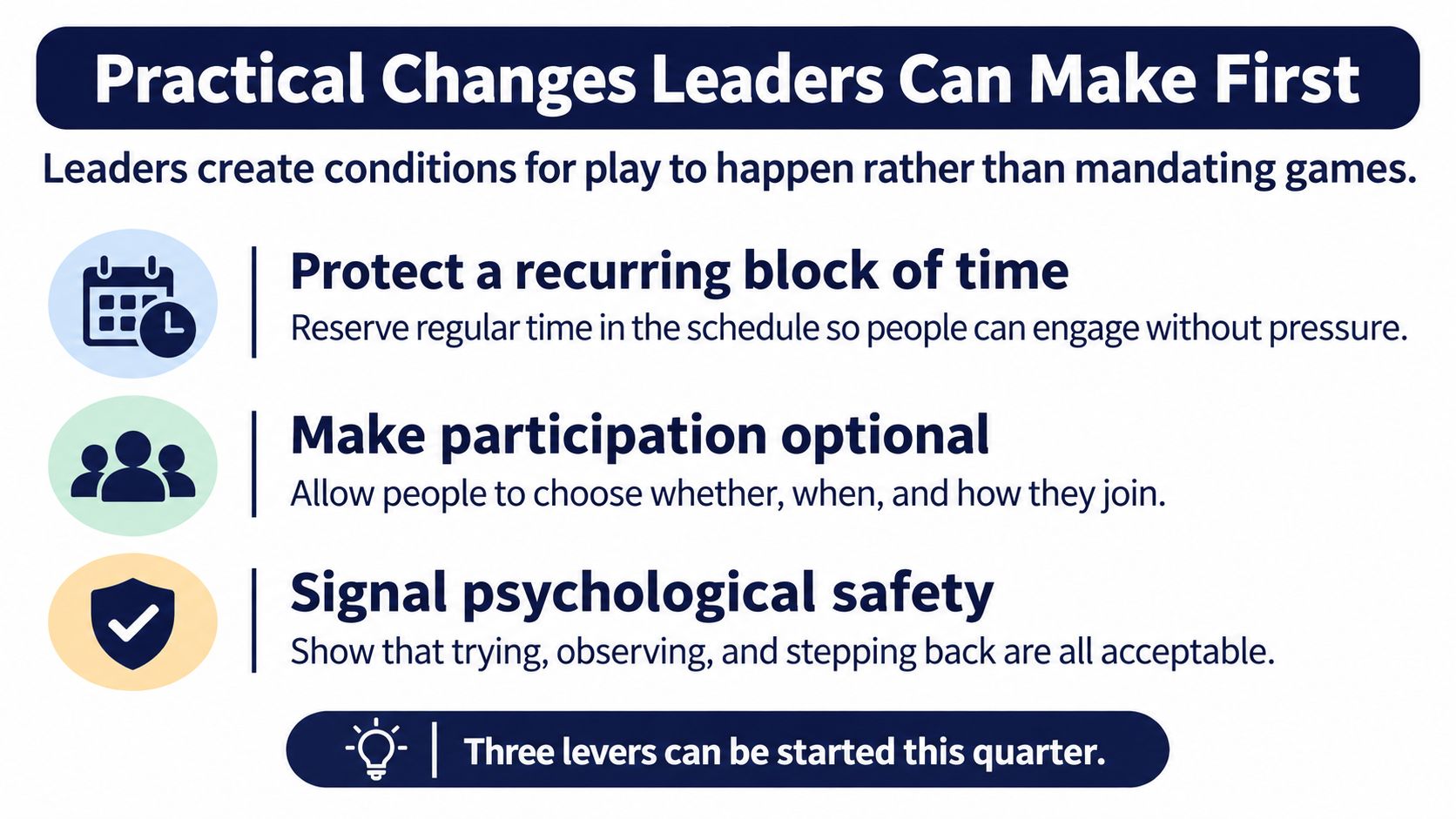
The challenge for leaders isn't finding more activities to add to the calendar. It's recognising where their people already have opportunities to explore, experiment and connect, and where workplace expectations might be getting in the way.
Games and organised challenges certainly have a place. Gamification can encourage employee participation and knowledge sharing, but rewards and competition don't automatically create a sense of play. People also need some freedom in how they participate.
That includes recognising that play isn't necessarily physical. While ABS research on physical activity and the Obesity Evidence Hub's adult activity guidelines highlight the importance of movement, play can be equally absorbing when we're creating, imagining, exploring or solving problems. Good inclusive team experiences provide different ways for people to get involved.
In everyday work, small changes can be surprisingly meaningful. Give an idea time to develop before evaluating it, allow teams to test an unfamiliar approach within sensible boundaries, or ask what people learned when something didn't go to plan. Understanding what genuinely engages different team members can also help leaders recognise opportunities they may otherwise overlook.
None of this requires abandoning structure or accountability. It asks leaders to consider whether those structures leave enough room for curiosity.
What Team Experiences Can Teach Us
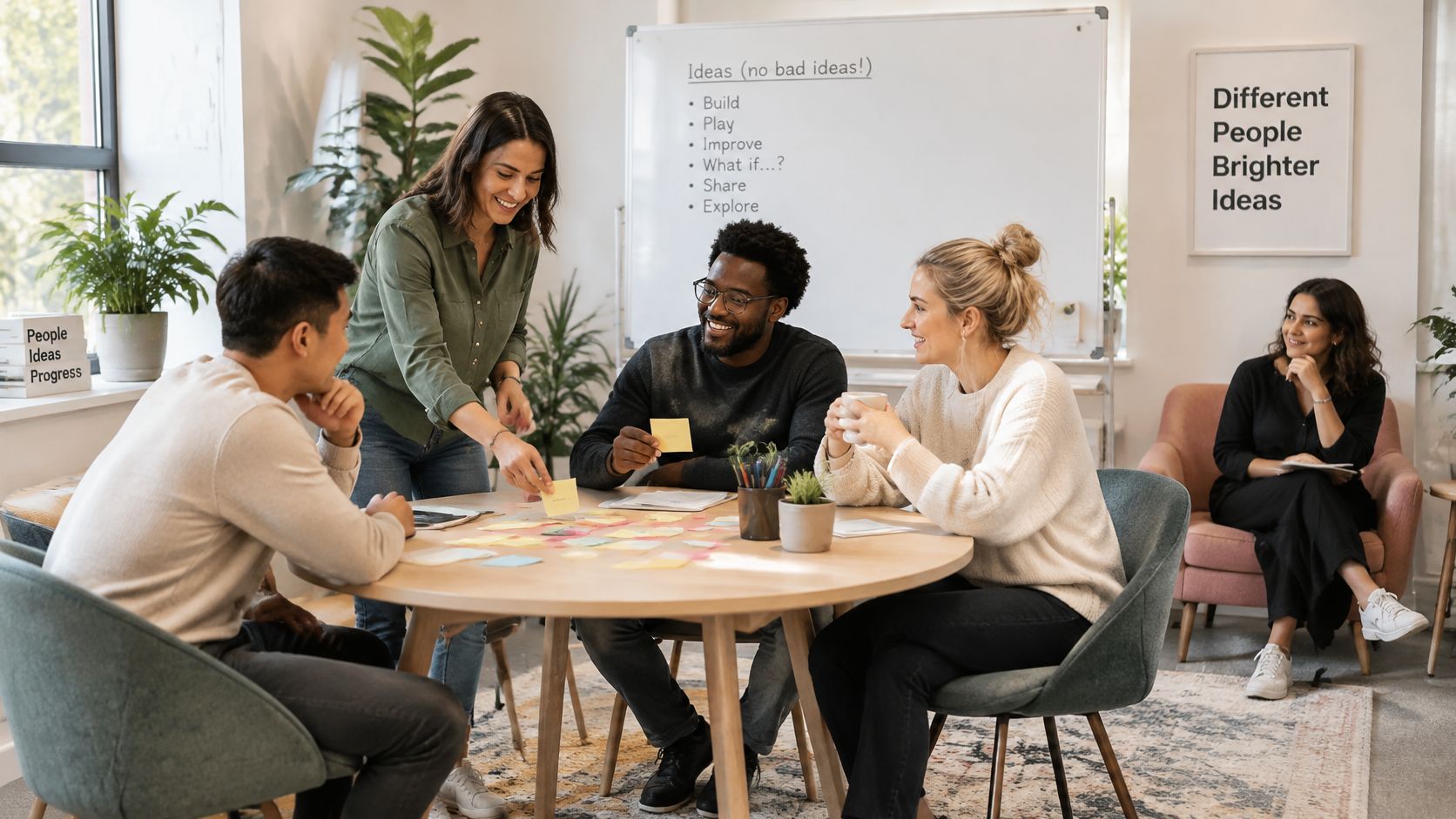
After more than 30 years of facilitating team experiences across Australia and New Zealand, we've seen how differently people can approach challenges when they're given an opportunity to step outside their usual roles.
Colleagues discover unexpected strengths, find new ways to collaborate and enjoy achieving something together. Those moments are valuable in themselves, but they can also offer insights into how a team works.
For leaders, the opportunity is to notice what helped people participate and consider whether those same conditions exist back at work. Our free Culture Playbook offers practical ways to build on those experiences.
Through our exclusive Australasian partnership with the National Institute for Play, we're connecting that practical experience with the growing scientific understanding of why play matters throughout adulthood.
Are We Creating the Conditions for Play?
We invest considerable time developing people's skills and asking them to be more creative, adaptable and collaborative. Perhaps we should give just as much attention to whether our working environments encourage those qualities.
The science of adult play deprivation is still developing, but it gives leaders good reason to reconsider how opportunities for play are supported or restricted.
Rather than asking employees to find more time for play, what could change if leaders made more room for it?
Explore the Science of Play
Our Science of Play experience brings NIFPlay's research into a facilitated learning experience, helping leaders and teams better understand the role of play in connection, learning and adaptability.
Explore play-based team experiences with Corporate Challenge Events.